


Environment
The NIKKOL GROUP recognizes that protecting the global environment is a shared challenge for all humankind and
strives to manufacture products with low environmental impact.
We proactively improve our manufacturing
processes and have them evaluated by third-party organizations to conserve energy.
In addition, we are
working to effectively use resources, for example, by reducing and reusing waste, to address the resource issues
that arise through our business.
As a specialty company, we strive to promote responsible environmental
management throughout the Group.
-
CO2 emission reduction targets
and emissions monitoring -
Aiming for zero CO2 emissions from
electricity at three domestic factories -
Energy-saving
DO (dissolved oxygen) meters - Eco-Action 21
- Solar power generation
-
Energy efficient
gas cogeneration -
Reducing environmental
impact at overseas factories - Tochigi Zero Carbon Company
-
ZEB Ready (An energy-saving
system for buildings) -
Environmentally friendly
manufacturing - NIKKOL ECO ACTION
-
Reusing water and
wastewater treatment -
Using environmentally
friendly materials - Reusing rainwater
Initiatives to Reduce Environmental Impact
CO2 emission reduction targets and emissions monitoring
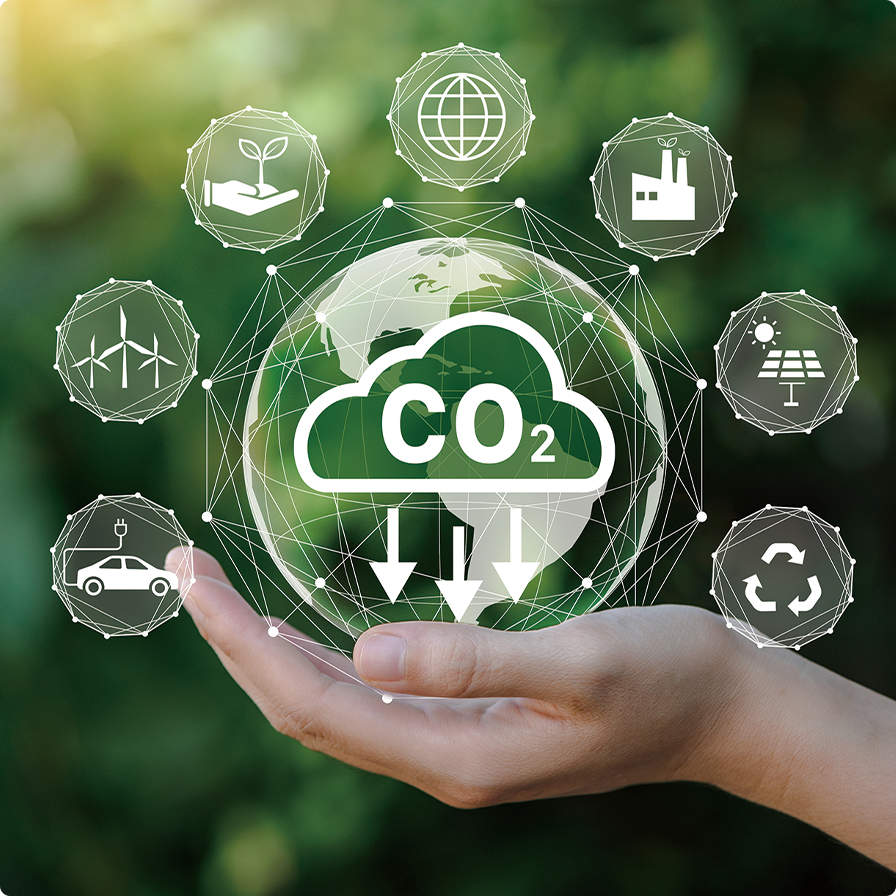
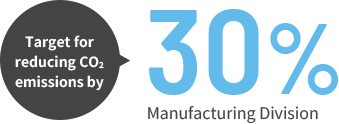
The Paris Agreement came into force in 2016, setting a goal of limiting the rise in average temperatures to 1.5°C compared to pre-industrial levels. Japan has also announced a 46% reduction in greenhouse gas emissions by 2030 (compared to 2013), and is considering making it mandatory for Prime-listed companies to disclose emissions, indicating calls for action at a national level. The NIKKOL GROUP has set a CO2 emission reduction target of 30% in the Manufacturing Division and 15%–25% in other divisions (compared to FY2019) by FY2025 and monitors CO2 emissions at each group company every month to promote reduction activities. We achieved a 2,968 t-CO2 reduction in January–December 2024 (37% reduction compared to fiscal 2019).
Aiming for zero CO2 emissions from electricity at three domestic factories
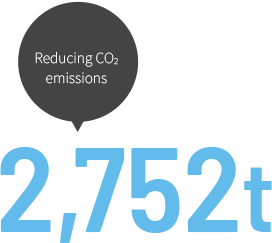
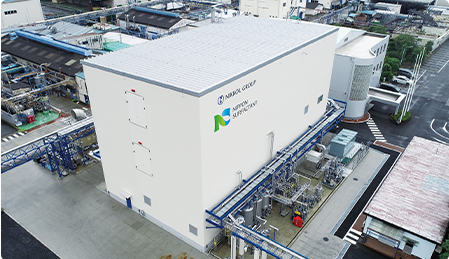
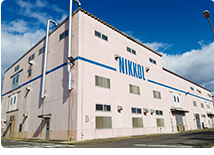
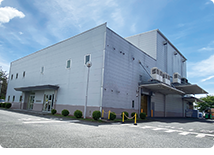
In October 2023, Nippon Surfactant Industries’ Utsunomiya and Nasu factories and the Nasu Factory of Bergerac Japon switched to CO2-free electricity, resulting in zero CO2 emissions from electricity. This switch will decrease approximately 2,752 tons of CO2 per year (compared to 2019). Furthermore, from April 2025, we introduced “Tochigi Furusato Denki”, provided by TEPCO Energy Partner, Incorporated. “Tochigi Furusato Denki” is a plan that utilizes renewable energy sources within Tochigi Prefecture. It helps reduce environmental impact, support local power-generation businesses, and revitalize the economy. Through the use of renewable energy, we aim to realize a decarbonized society and promote sustainable growth in partnership with the local community.
Energy-saving
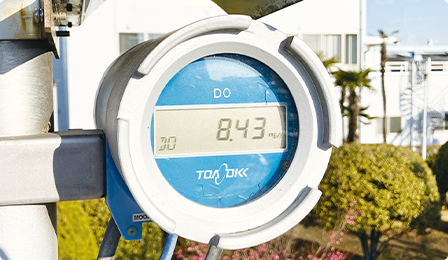
Nippon Surfactant Industries is changing the equipment installed in its factories to energy-saving electric motors that have a smaller environmental impact, and is also actively promoting inverter control. In addition, lighting equipment is being switched from fluorescent lights to LEDs. One example of inverter control is the blower at the wastewater treatment plant, which consumed a lot of electricity during 24-hour continuous operation. By installing a DO (dissolved oxygen) meter at the wastewater treatment plant and inverter controlling the blower based on the DO (dissolved oxygen) value, the blower output can be adjusted according to the amount of oxygen required, reducing unnecessary power consumption and promoting energy conservation.
Eco-Action 21
Eco-Action 21 is a unique Japanese environmental management system established by Japan’s Ministry of the Environment. Companies that adopt the system are required to improve the environmental performance of the products they produce, sell, and provide, and to improve their services. The results of these efforts are annually published in an environmental management report. Nippon Surfactant Industries has acquired this certification every year since 2012, and in August 2021, the company was recognized by the Eco-Action 21 Central Secretariat as a “certified permanent business.”
Solar power generation
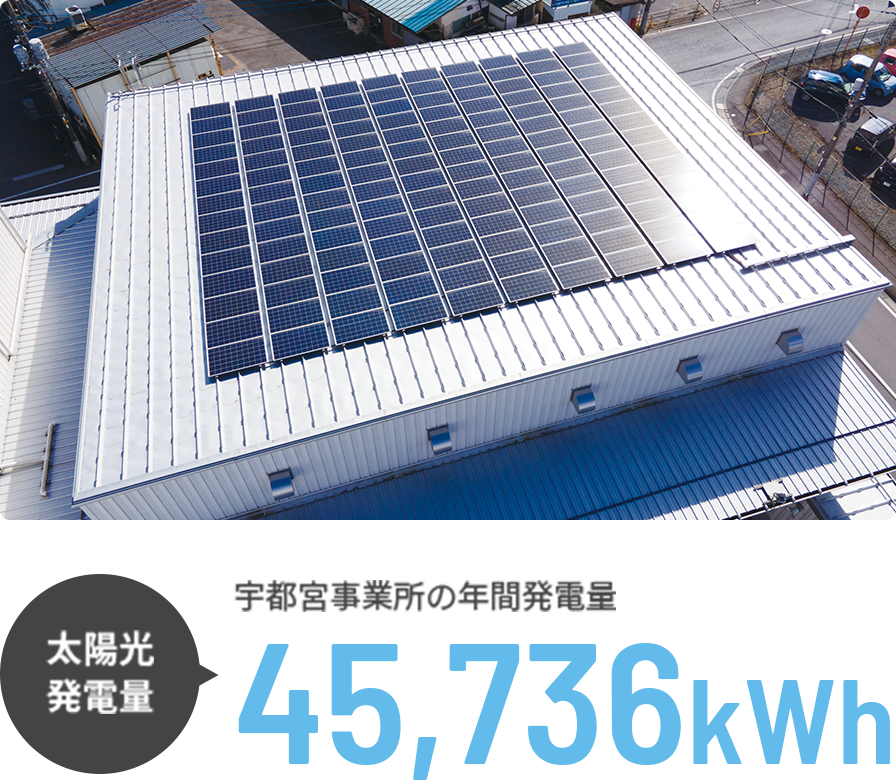
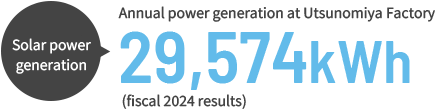
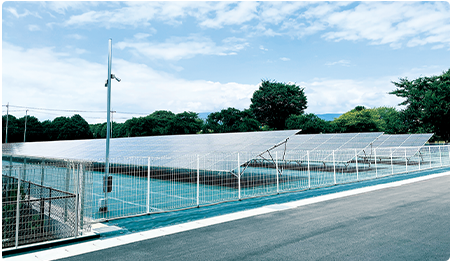
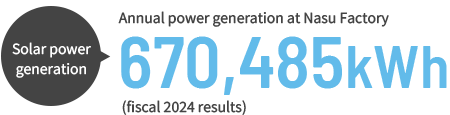
Nippon Surfactant Industries has installed solar power generation systems to reduce the environmental impact of our facilities, resulting in our Utsunomiya Factory generating 29,574 kWh per year (fiscal 2024 results). In addition, our Nasu Factory added a solar power generation facility in 2024 to provide up to another 600 kWh of power generation capacity. As a result, annual power generation at our facilities (including the Nasu Factory and Bergerac Japon Nasu Factory) has reached 670,485 kWh (fiscal 2024 results). This is approximately 29.8% of purchased electricity. Going forward, we will continue to promote the use of renewable energy sources.
Energy efficient gas cogeneration
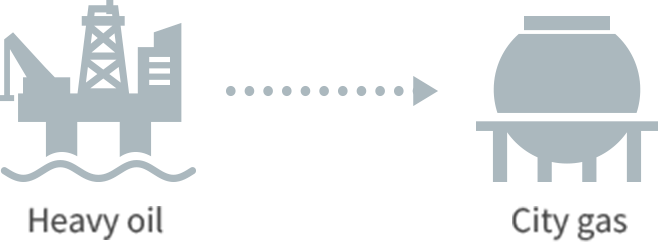
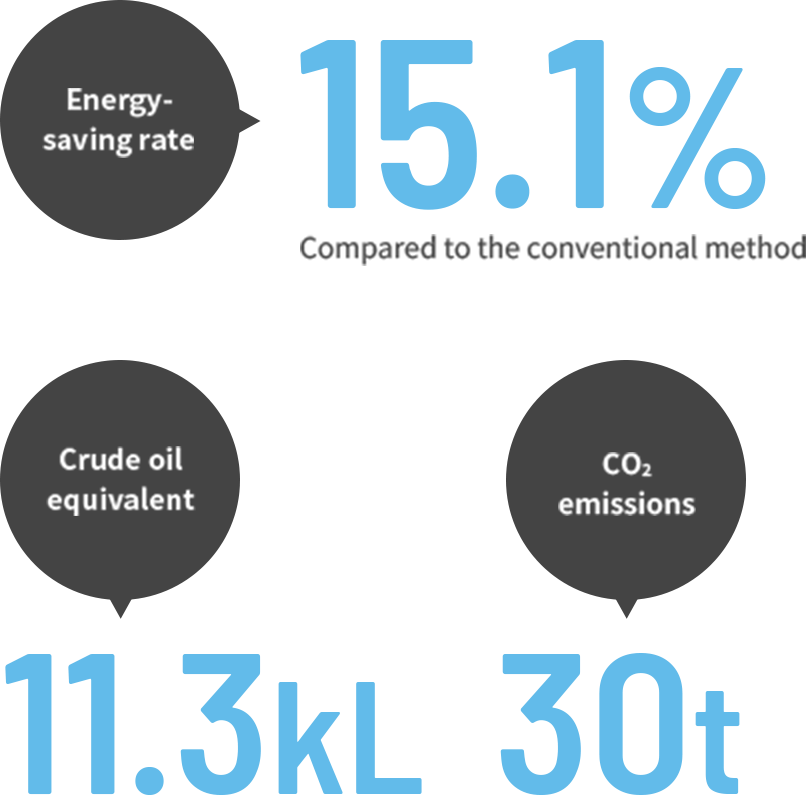
Nippon Surfactant Industries’ Utsunomiya factory has installed a gas cogeneration system. The electricity produced by this system is used for in-factory processes, and the heat is used for the water supply’s steam boiler. The use of the cogeneration system has achieved an energy saving rate of 15.1% (compared to conventional systems). This has reduced 11.3 kL/year in crude oil equivalents and approximately 30 t/year in CO2 emissions. (Installed in 2015)
Reducing environmental impact at overseas factories
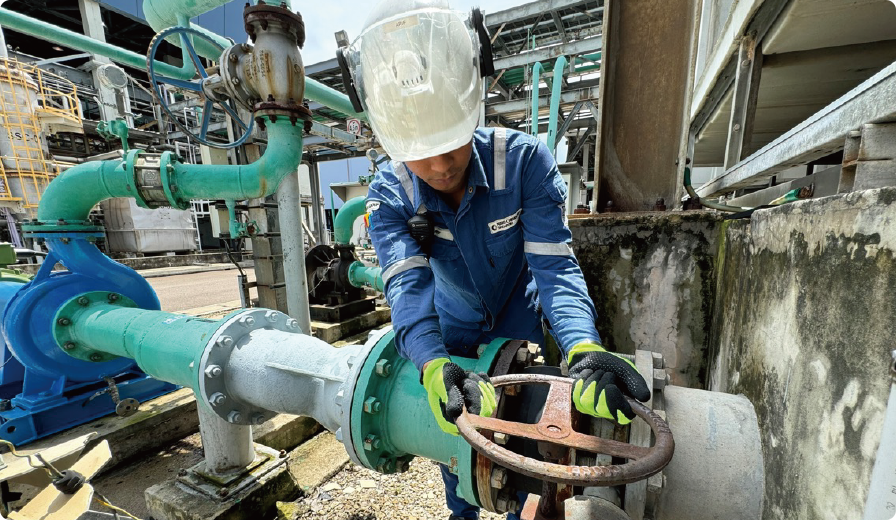
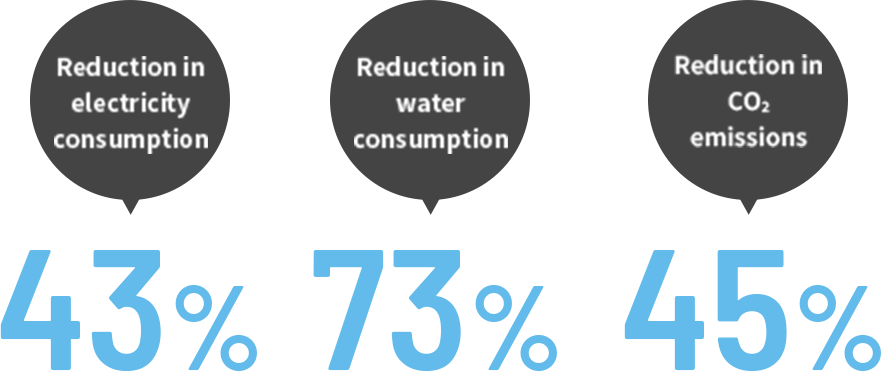
Nikko Chemicals Singapore has optimized its operations by shutting down the cooling tower every time production is finished. The cooling tower was previously in operation 24 hours a day, so this measure has reduced electricity usage by 540,000 kWh (43%), water usage by 18,000 m3 (73%), and CO2 emissions by 250 tons (45%) per year.
Tochigi Zero Carbon Company
Nippon Surfactant Industries is working on particularly outstanding initiatives toward realizing carbon neutrality in Tochigi Prefecture, where the company’s factories are located. We were recognized as the Fiscal 2024 Tochigi Zero Carbon Company. This award is given to small and medium-sized enterprises with particularly outstanding initiatives.
ZEB Ready (An energy-saving system for buildings)
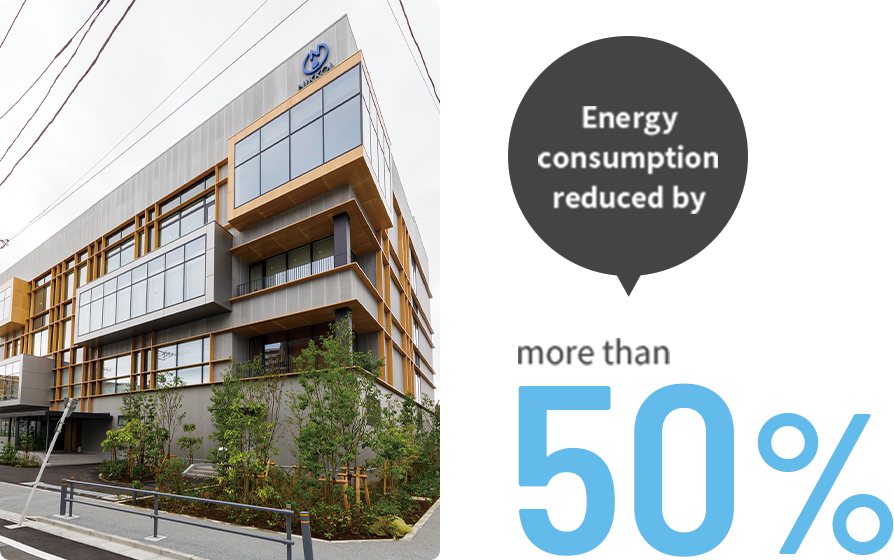
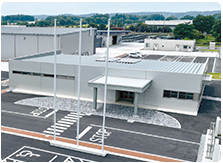
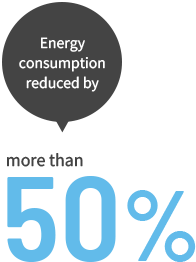
“ZEB” (Net Zero Energy Building) is a certification system for buildings that aim to achieve both a comfortable indoor environment and energy savings. The Nikko Chemicals R&D Center was rebuilt in 2022, and a new office building was constructed at Nippon Surfactant Industries’ Nasu Factory in 2025. Both buildings received ZEB Ready certification in an external evaluation using the Building-Housing Energy-efficiency Labeling System (BELS). The buildings’ energy requirements were reduced to less than 50% of their previous levels.
Environmentally friendly manufacturing
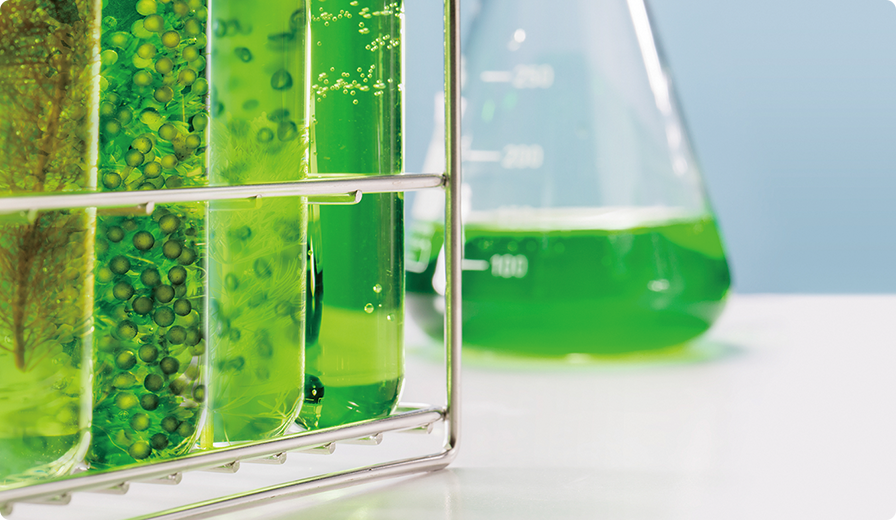
Nikko Chemicals has long been committed to environmentally friendly manufacturing through the application of bioengineering. We are building bio-based technologies by applying fermentation technology using microorganisms, developing original enzymes, and deploying enzyme reaction technology. We have also been participating in the MATSURI initiative* as a Silver Partner since August 2022. In this project, various companies from a wide variety of industries work together with government agencies to develop sustainable products using algae. *A cross-industry initiative to promote the bio-economy.
Effective Resource Use
NIKKOL ECO ACTION
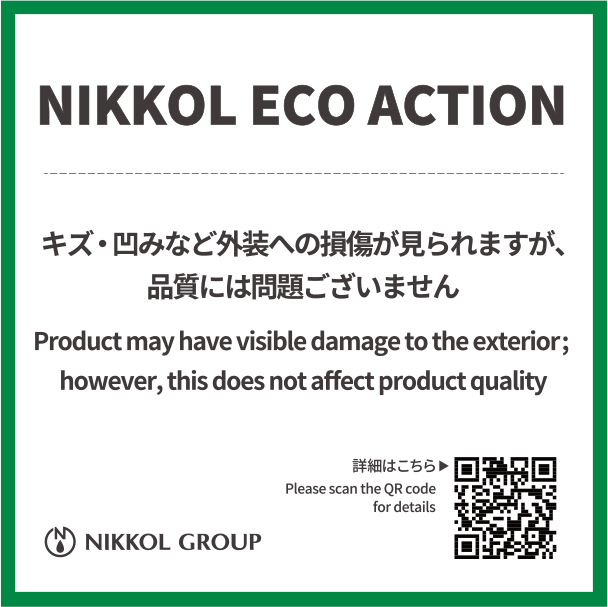
To contribute to the realization of a sustainable society, Nikko Chemicals devised its NIKKOL ECO-Friendly Policy, and has been implementing NIKKOL ECO ACTION since 2023 as a measure to reduce industrial waste by shipping and selling products with only minor damage to the exterior or container of the product and that meet the existing quality standards.
Reusing water and wastewater treatment
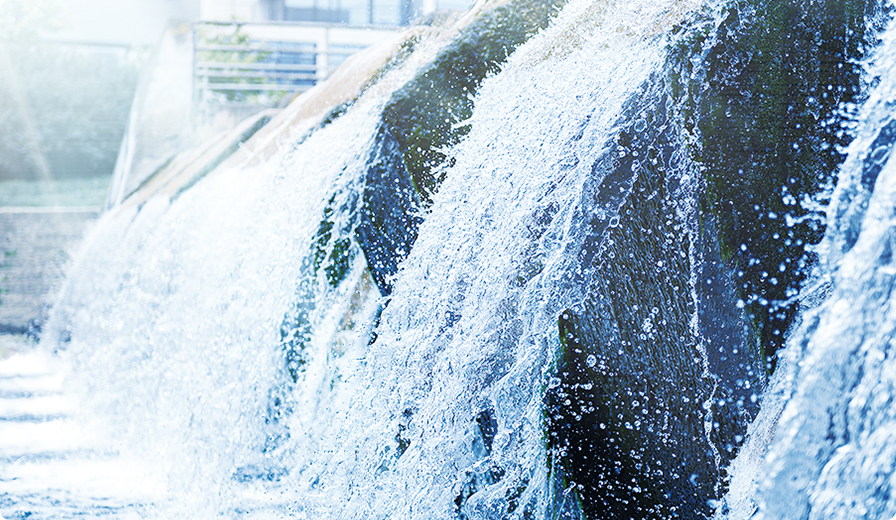
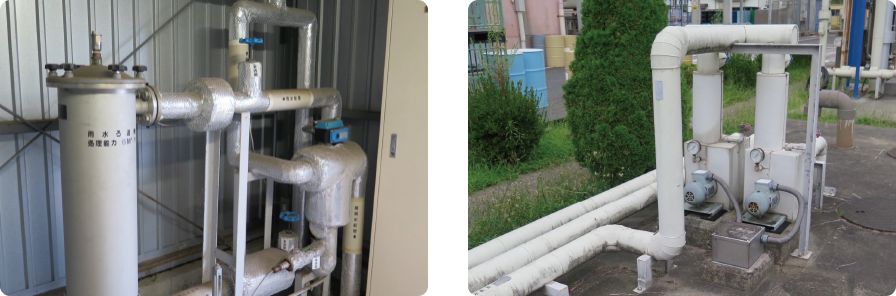
At Nippon Surfactant Industries’ Utsunomiya factory, we have introduced water recycling equipment in some processes carried out within the facility. In addition, by installing a 1,4-dioxane removal device in the wastewater treatment process, we are achieving the target values and are working to reduce our environmental impact. This device is the first of its kind used by a private company in Japan that can treat industrial wastewater, and it is also the first in Japan to use a multi-stage series system (excluding experimental models). We strive to protect the environment by reusing water and reducing wastewater from the facility.
Using environmentally friendly materials
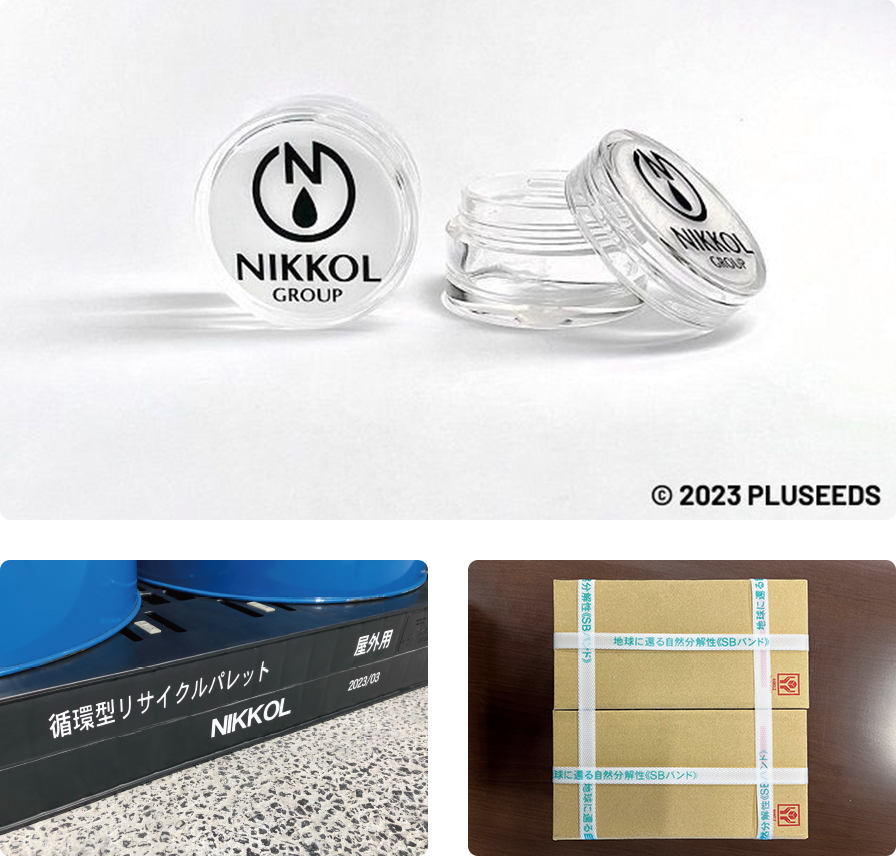
Sample container, pallet, cushioning material, bundling band, shipping markWe actively use environmentally friendly materials not only in our manufacturing processes for sample containers, pallets, cushioning materials, cable ties, and shipping marks, but also in the various materials we use in our business. Starting in 2023, when holding expos and promoting sales to customers, Nikko Chemicals’ Personal Care International Business Unit uses formulation sample containers made from intermediate resins that were previously discarded. Starting in 2023, Nippon Surfactant Industries has also turned its attention to reducing its environmental impact on the ocean by introducing OBP (Ocean Bound Plastic) pallets made from recycled plastic waste that would otherwise present a high risk of leakage into the environment. In addition, the cushioning materials and cable ties used to transport products and samples are highly biodegradable.
Reusing rainwater
At Bergerac Japon, we flush toilets using rainwater collected in an underground rainwater storage tank. Rainwater runs down the roof of the factory through gutters and is stored in the tank, where it is passed through a rainwater treatment filtration system to remove impurities so that it can be used as flushing water. By using this rainwater to flush all the toilets at Factories 1 and 2 at Bergerac Japon, we are contributing to reducing the amount of tap water used.
More CSR activities
Find out more about what we do in other CSR categories.